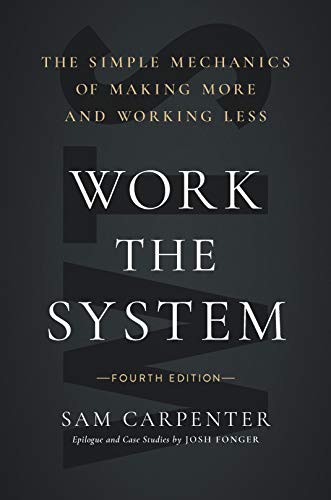
I've been recommending Work the System for years. It's one of the few books on running a business that treats systems as engineering and not as a motivational idea. I also wrote the other book in this comparison. So this Work the System review comes with a disclosure: I'm biased. I'll try to be fair anyway.
Sam Carpenter's book and SYSTEMology start from the same place. The owner is stuck in the daily grind and the fix is to run the business on documented systems. They differ on who writes the systems, where you start and what the work looks like. That's what this page compares. If you're short on time, jump to the side-by-side table.
Work the System vs SYSTEMology: The Short Version
Work the System is the stronger book for the mindset. It shows an owner how to step outside the business and treat it as a machine they can adjust. SYSTEMology is the stronger book for the build. It gives you a starting point and a way to get the team to write the systems so the owner doesn't have to.
The review in three lines:
- What Work the System gets right: seeing the business as systems, fixing the process and not the person and writing procedures a stranger could follow.
- Where it stops: the owner does most of the writing, it doesn't say where to start across the whole business and it teaches documenting by hand.
- Which to read: Work the System if you think like an engineer and will write the pages yourself. SYSTEMology if you want a build plan and a team that carries the work.
Work the System Summary: What Does Sam Carpenter Say?
Sam Carpenter ran Centratel, a telephone answering company. He wrote Work the System to describe how he got it running without him. It was first published in 2008.
His big idea is that a business is a set of systems. A bad result comes from a system nobody is controlling and not from bad luck. The fix starts with a change of position. Step outside the business and look down on it as if it were laid out on a table. Then adjust one mechanism at a time. The owner's job becomes project engineer and not fire killer.
He asks the owner to write three documents. The Strategic Objective is one page on where the company is going. The General Operating Principles are the rules for making decisions. The Working Procedures describe exactly how each recurring process runs. Every decision has to line up with all three.
Two rules stand out. Write each procedure so a stranger could follow it by reading it. Stop at 98 percent. Staff follow the procedures exactly and change them the moment someone finds a better way. His proof is Centratel, which he says now runs on about two hours a week of his time.
What Are the Key Lessons of Work the System?
These are the five Work the System lessons I'd keep:
- See the business as systems. Results come from the process underneath, good or bad.
- Step outside and look down. You can't fix a system while you're caught in the middle of it.
- Be the project engineer. Design, improve and document. Don't fight fires.
- Fix the process and not the person. If a procedure was followed and something still went wrong the procedure is the problem.
- Write for a stranger and stop at 98 percent. Simple and usable beats perfect.
What Does Work the System Get Right?
A lot. These are the four I've seen hold up.
It treats systems as mechanics. A lot of business books stop at "you need systems". This one gets into how a system is built and maintained. The three documents give an owner something to hold on to.
Fix the process and not the person. I use this every week. When something goes wrong the first question is which step let it happen. It takes the blame out of the room and it makes the fix stick. It's the same logic we use when a system fails.
It gets the staff to write the procedures. Sam says staff wrote nearly all of Centratel's procedures. That's a big reason they accepted following them exactly. It's also what I believe: the person who does the work knows the work best.
It rests on a real company. This isn't theory. It describes an actual business that runs on these documents. That's rarer than it should be in this genre.
Where Does Work the System Stop?
None of this is a criticism of Sam. He set out to change how owners see their business and he did. But when owners try to act on the book I see three gaps. They're the gaps SYSTEMology was built to fill.
The owner does most of the writing. In Sam's own story he wrote the first procedures himself. It took months before he saw the staff could do it. The owner still has to write the Strategic Objective and sign off the big procedures. For most owners that's the wrong person to write. You're too close to the work and too busy. And you're rarely the person who does the task best.
It doesn't say where to start across the whole business. His advice is to begin with the most troublesome critical processes. That works well for a company like Centratel where one flow is the heart of the business. A business with sales, delivery, finance and support leaves the question of which systems first wide open. An owner once told me he'd read the book and it hadn't helped him get more leads or increase sales. The book isn't built for that. It's about running the operation. That's a gap and not a flaw.
It teaches documenting by hand. The book walks you through writing procedures from a blank page. That's the slowest way to do it. Today someone can record their screen while they talk through a task and AI can turn the recording into a first draft in minutes. The ideas haven't aged. The old excuse that there's no time to document has. I made the same point in my E-Myth Revisited review.
Where Do Work the System and SYSTEMology Agree?
More than you'd expect. If you liked one you'll probably like the other.
- Freedom is the point. Both are about a business that runs without the owner in the daily grind.
- Document what recurs. Neither asks you to write down everything. Both start with the processes that repeat.
- Simple enough for a new hire. Both want a procedure a newcomer could follow and neither wants a perfect manual nobody opens.
- The team improves the systems. Both treat a system as a living document that the people doing the work keep up to date.
Work the System vs SYSTEMology: Side by Side
| Work the System | SYSTEMology | |
|---|---|---|
| Core promise | See the business as systems and run it from outside. | A business that runs without you in the daily grind. |
| Who writes the systems | The owner writes the first procedures. Staff take over later. | The person who does the task records it. A Systems Champion writes it up. |
| Where you start | The most troublesome critical processes. | Your Critical Client Flow, which gives you 10 to 15 core processes. |
| How a system is captured | Written by hand in a standard procedure format. | Recorded while the task is done. AI drafts the first version. |
| The shape of the book | A philosophy plus the working documents from his own company. | A seven-stage framework from first system to ongoing improvement. |
| Best for | Owners who think like engineers and will write the pages themselves. | Owners who want the team to carry the work. |
What Does SYSTEMology Do Differently?
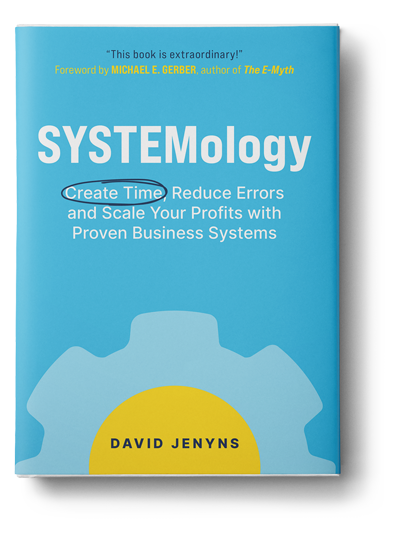
SYSTEMology is my book. Michael Gerber wrote the foreword. The biggest difference from Work the System is who does the capturing. The owner leads and believes in it and follows the systems like everyone else. The owner doesn't write them. The person who does the task well records themselves doing it and a Systems Champion turns the recording into the page.
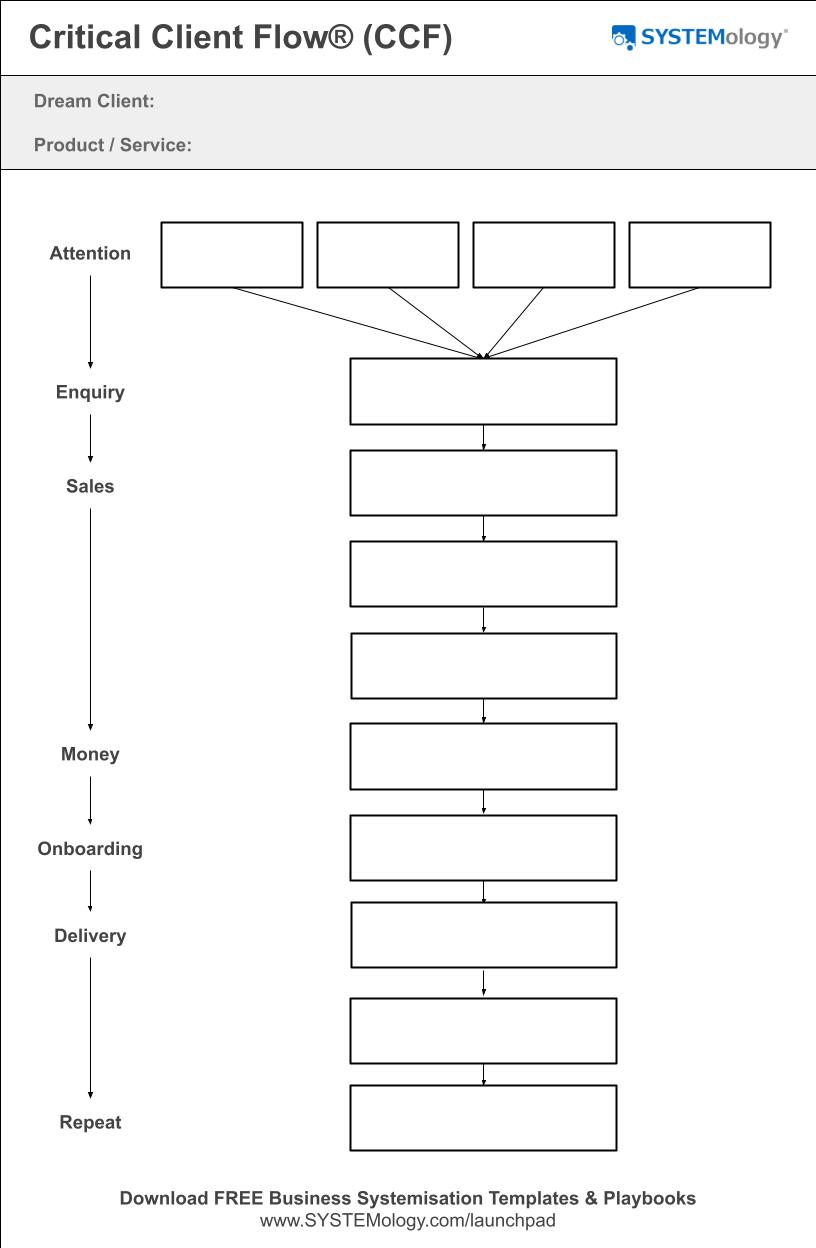
The second difference is the starting point. Instead of "start with the troublesome ones" you map the steps a client goes through from first contact to repeat business. That gives you the short list of systems that matter most. The third is the tooling. I wrote the method around recording and AI so a first draft takes minutes and not weeks.
The full picture is in the SYSTEMology summary. If you want the role that makes it work, read what a Systems Champion is.
Which Should You Read: Work the System or SYSTEMology?
- Read Work the System first if you want the mindset shift in an engineer's voice and you're happy to write the pages yourself.
- Start with SYSTEMology if you want a build plan and a team that carries the work. Start there too if you've read a systems book and nothing changed.
- Read both if you have the time. Sam gives you the picture of a business that runs like a machine. SYSTEMology gives you a route to get there with your team.
If you haven't read the E-Myth yet, my review of it covers where it fits next to these two.
Where to Start
Whichever book you pick, don't read another one before you've built a system.
- Map your Critical Client Flow. Write down the steps a client goes through from first contact to repeat business. Grab the free template.
- Pick the one process that causes the most pain. Ask the person who does it best to record themselves doing it.
- Turn the recording into a one-page procedure. Then ask someone who didn't write it to follow it. Where they stumble you fix the page.
To see where you stand first, take the free Systems Strength Test or the Owner Dependency Score. When you're ready for the whole method the book walks you through every stage.
This is my own comparison of the two books. "Work the System" is the title of Sam Carpenter's book and I'm not affiliated with Sam Carpenter or Centratel.